 Skip to content
Industrial Food and Beverage Flooring NJ | USDA & FDA Compliant
Case Studies:
From high-traffic restaurant kitchens in Morristown to seamless installations in Asbury Park, our floors prevent common restaurant headaches. We would also like to share projects in Montclair and Red Bank
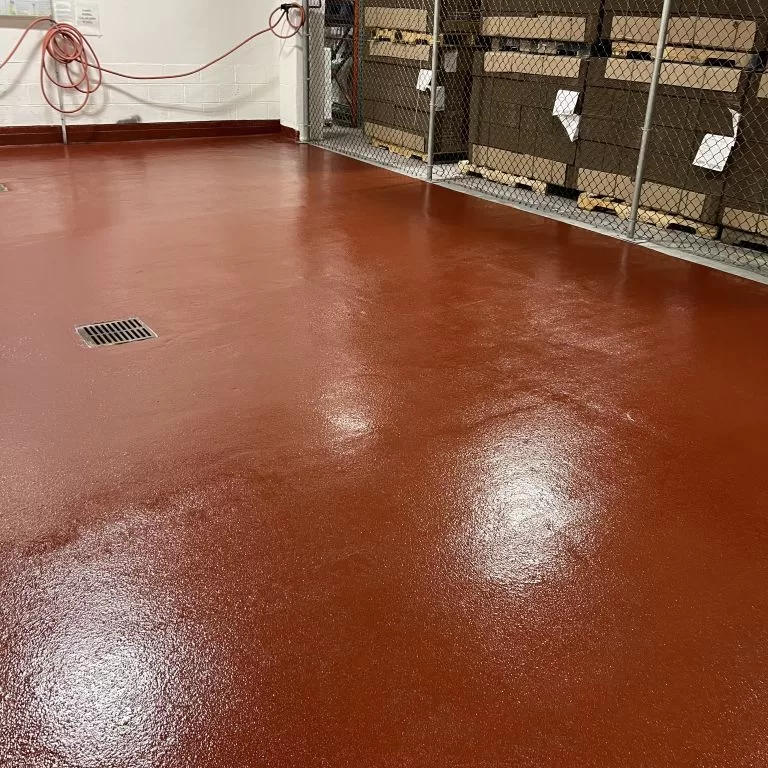
High-Performance Commercial Kitchen Epoxy Flooring
Enhanced Safety & Hygiene: A seamless design eliminates cracks where bacteria, grease, and moisture hide, making it simple to maintain strict health code standards.
Aesthetic Appeal: Create a bright, visually impressive workspace that instills confidence in both your staff and inspectors.
Long-Term Cost Savings: The incredibly durable, resilient finish minimizes the need for frequent repairs or early replacements, protecting your bottom line.

Commercial Restaurant Kitchen Floors | 38 Years of Expertise
Proactive Protection: By integrating a non-porous surface and seamless radius cove bases, our floors prevent common restaurant headaches like mold, bacterial growth, and pest infiltration.
Prevent Costly Downtime: Staying ahead of structural flooring issues keeps your doors open, protects your staff from slip-and-fall hazards, and ensures you pass local health inspections with flying colors.

Easy Maintenance Meets Sophisticated Design With Epoxy Restaurant Floors
- HACCP certified, USDA compliant, or FDA regulations
Minimizing Operational Disruption: We understand that downtime means lost revenue. Our team works closely with your schedule to plan and execute the installation quickly, getting your facility back up and running with minimal impact on your operations.
Simplified Cleaning: Because the finish is entirely non-porous, daily maintenance is effortless—allowing your staff to clean up spills quickly and keep the environment spotless for your patrons.

WHY EPOXY IS THE ULTIMATE CHOICE FOR COMMERCIAL CULINARY SPACES
Low Maintenance, High Longevity: Our seamless floors dramatically simplify your facility’s hygiene program. Routine cleaning is all it takes to maintain the surface, eliminating the need for aggressive scrubbing or recurring tile grout repairs.
Customized Safety Features: From customized slip-resistant textures to specialized chemical resistance, we tailor each floor to the specific safety demands of your culinary establishment.
Frequently Asked Questions About Food And Beverage Flooring
What makes these food and beverage flooring systems special?
Since 1988, HPS Floors has provided systems designed specifically for durability and hygiene. These floors are smooth and non-porous, which prevents the absorption of dirt or fluids—a critical feature for maintaining reliability in demanding industrial environments.
Are these flooring systems suitable for commercial kitchens?
Yes. Epoxy kitchen flooring is engineered for commercial environments where cleanliness is essential. They provide a hygienic, sleek finish that allows for quick cleaning while remaining durable enough to handle the daily rigors of a professional kitchen.
What specific hazards do these flooring systems handle?
These flooring systems are designed to withstand high traffic, frequent spills, chemical exposure, and intensive wash-downs. Crucially, they can handle thermal cycling (rapid changes from hot to cold), which is common in food processing and restaurant environments.
How does the flooring improve restaurant safety and hygiene?
A well-designed commercial kitchen floor creates a seamless, non-porous surface that prevents “bad actors” like bacteria, pests, and mold from lurking in cracks. This makes it easier to uphold high sanitary standards and protects both staff and patrons.
Does the installation process cause significant downtime?
HPS Floors works closely with clients to plan installations around their operational needs. By delivering high-performance coating systems quickly and efficiently, they help minimize disruption to food and beverage operations and reduce overall scheduling impacts.
What flooring is required for a food and beverage processing facility in New Jersey?
Sanitary, seamless, and chemical-resistant flooring is essential for food safety compliance. HPS Flooring installs food and beverage flooring across New Jersey processing plants that withstand sugar, acids, and hot water washdowns without cracking, peeling, or trapping bacteria in the seams.
How does slip-resistant flooring reduce accidents in a food processing plant across New Jersey?
An aggregate texture broadcast into the topcoat gives workers reliable traction even on wet floors. HPS Flooring adds slip-resistant texture to food and beverage flooring throughout New Jersey plants, cutting down on the fall risks common around washdown and cooking stations.
Can flooring survive daily hot water and steam washdowns without breaking down throughout New Jersey?
Urethane mortar systems in particular are built to handle thermal shock from repeated hot water washdowns. HPS Flooring specifies these systems for food and beverage flooring in New Jersey facilities where daily steam cleaning would degrade a standard epoxy coating over time.
What kind of flooring works best for a brewery or beverage bottling line in New Jersey?
Breweries need flooring that resists sugar, yeast, and acidic cleaning agents while staying slip-resistant near wet bottling lines. HPS Flooring installs food and beverage flooring in New Jersey breweries built specifically to handle that constant moisture and chemical combination.